


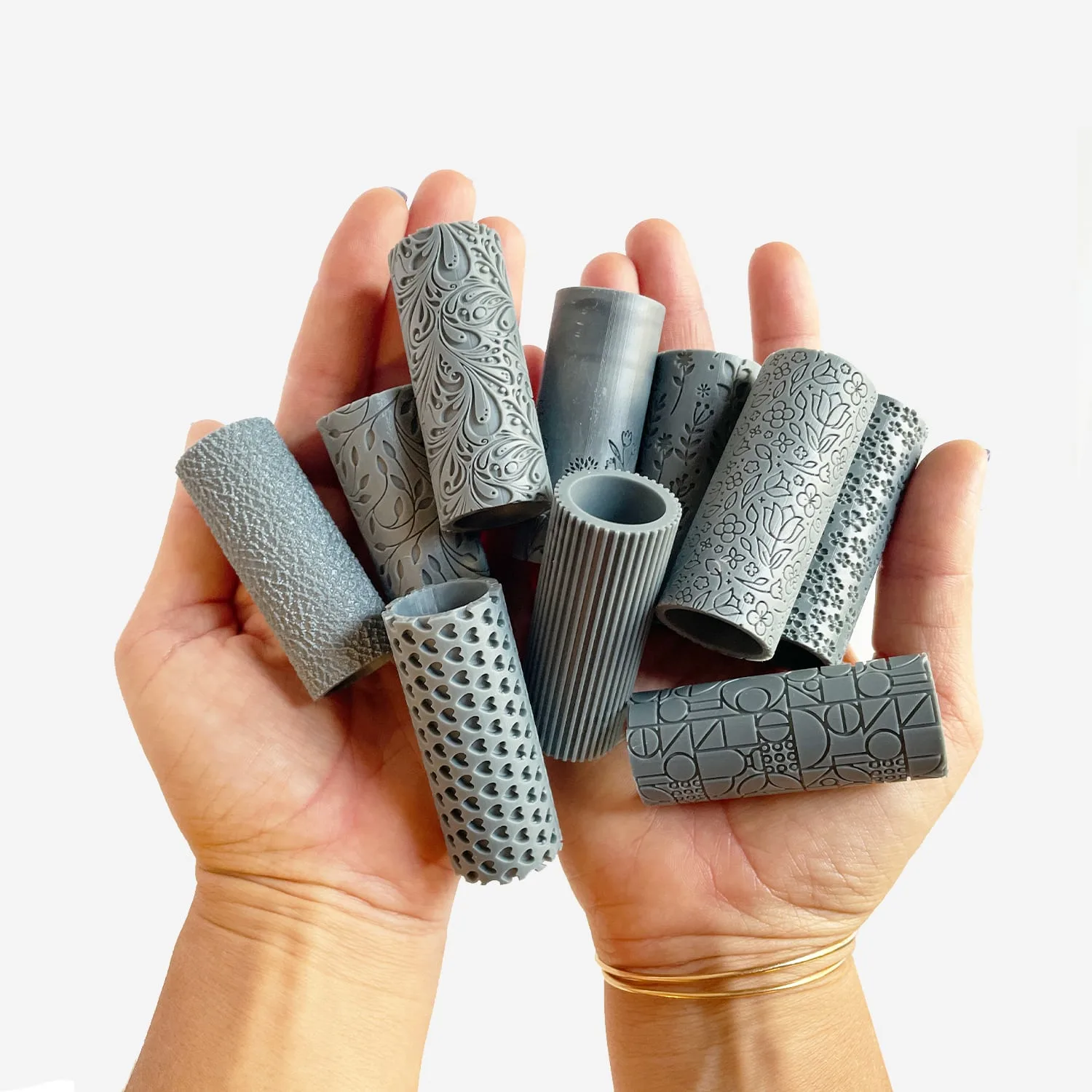
Texture Rollers
Explore our unique texture rollers
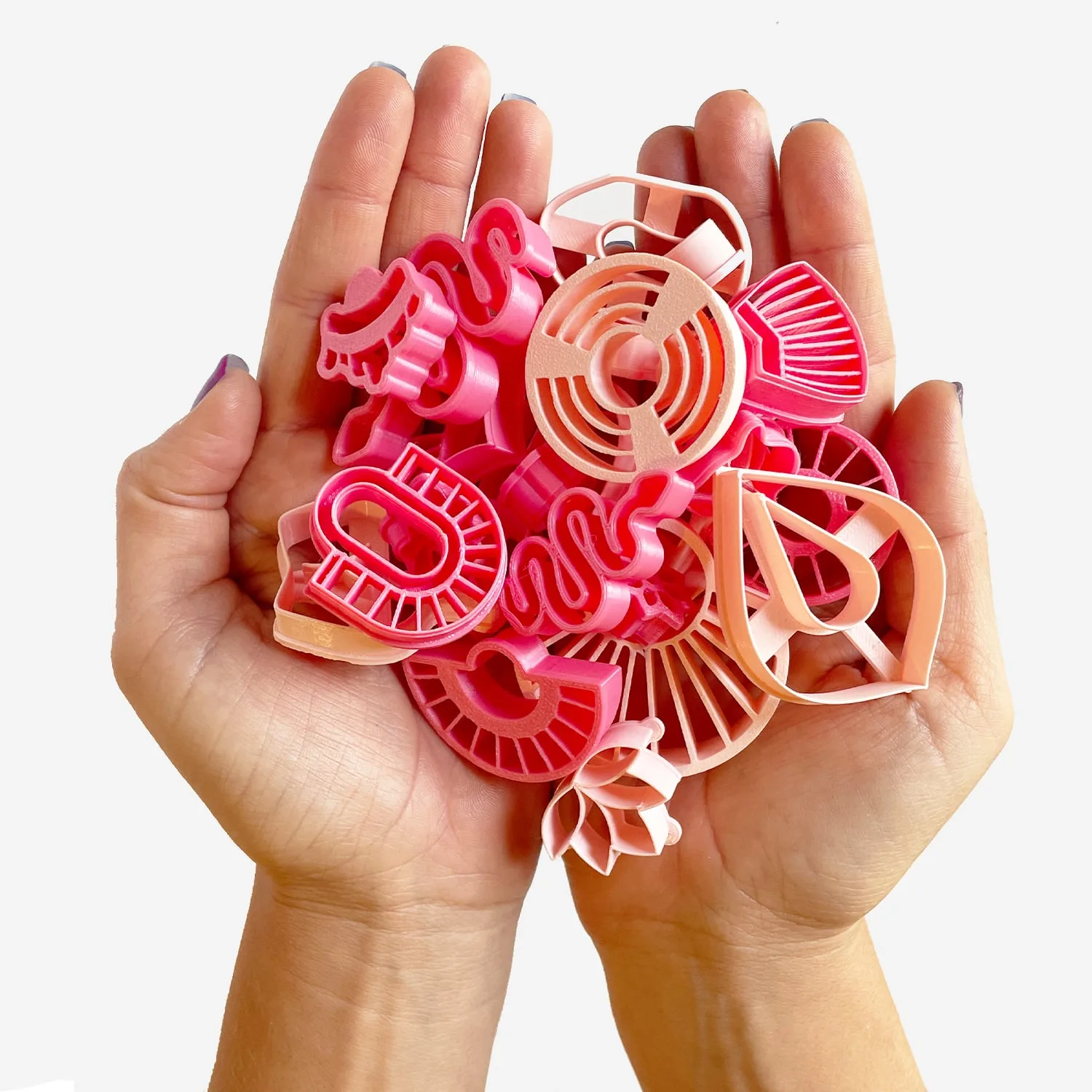
Polymer Clay Cutters
Amazing variety of cutters
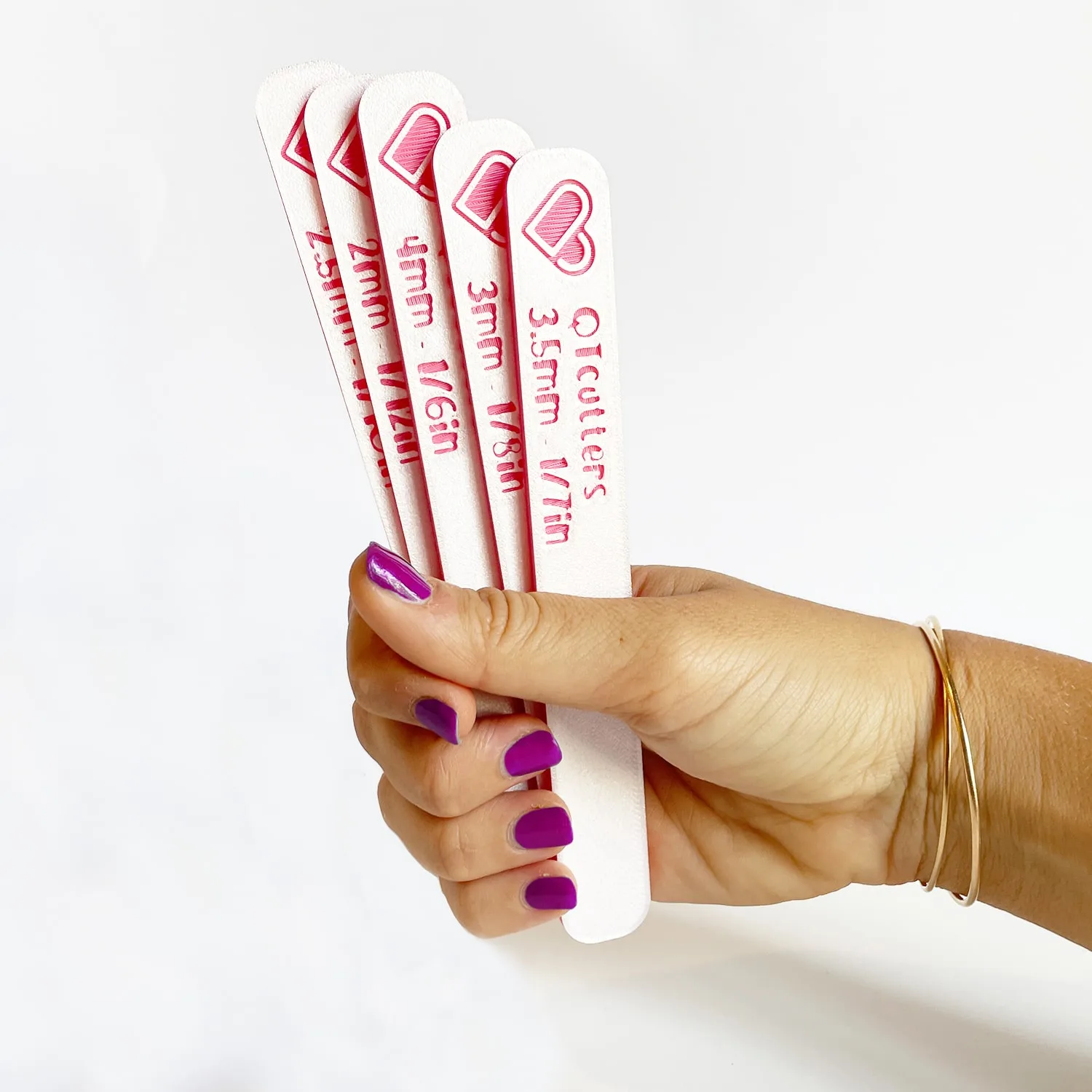
Essentials
Check out our essentials collection
BEST SELLERS
Explore our most popular products
-
 Earring Drill Guide – Essential Tool for polymer clay Artists34,70 €
-
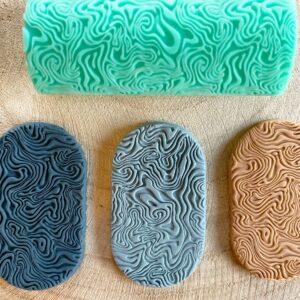 Polymer Clay Waves Texture Roller10,38 €
-
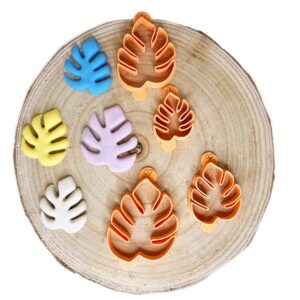 Polymer Clay Monstera Cutter2,39 € – 18,21 €
-
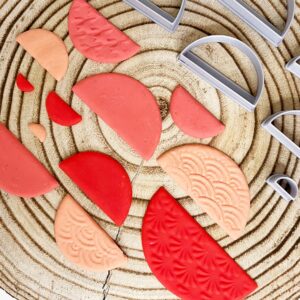 Polymer Clay Half Circle Cutter1,04 € – 9,36 €
-
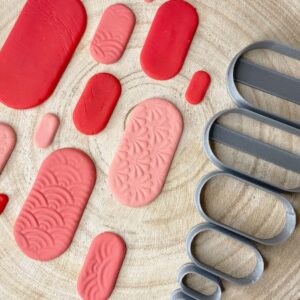 Polymer Clay Capsule Cutter1,04 € – 11,44 €
-
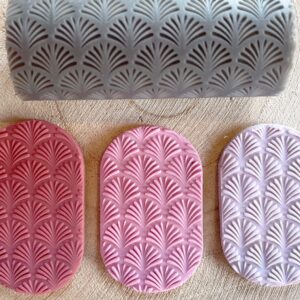 Polymer Clay Art Deco Texture Roller10,38 €
-
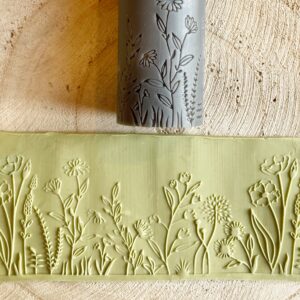 Polymer Clay Meadow Texture Roller10,38 €
-
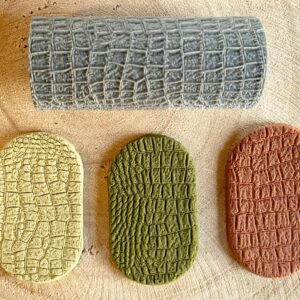 Polymer Clay Crocodile Leather Texture Roller10,38 €
-
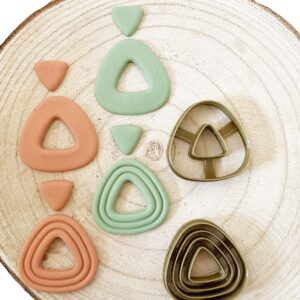 Polymer Clay Triangle Shaped Earring Cutter Set4,68 € – 8,14 €
Testimonials
Check what our customers are saying!
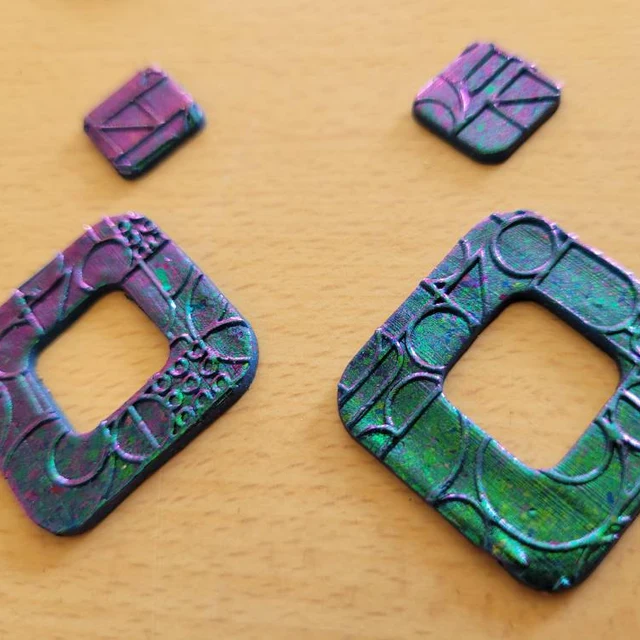
Really great! They work really easy and the result looks amazing! Nice contact with seller. Thumbs up!
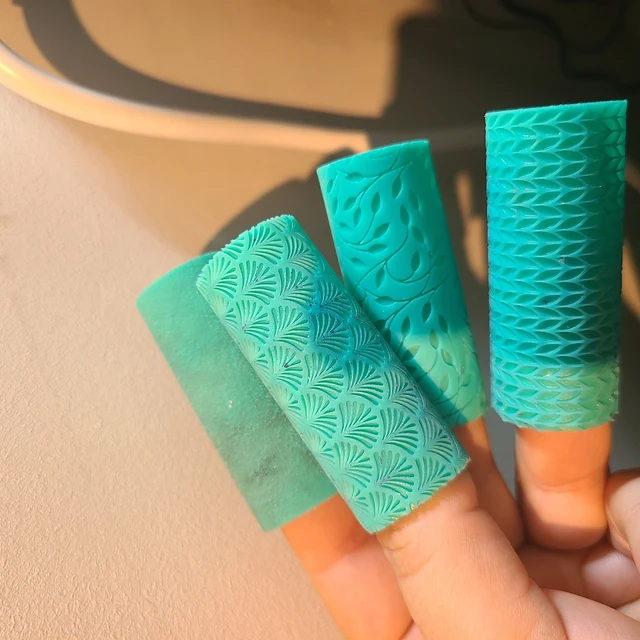
Happy with my purchase I recommend
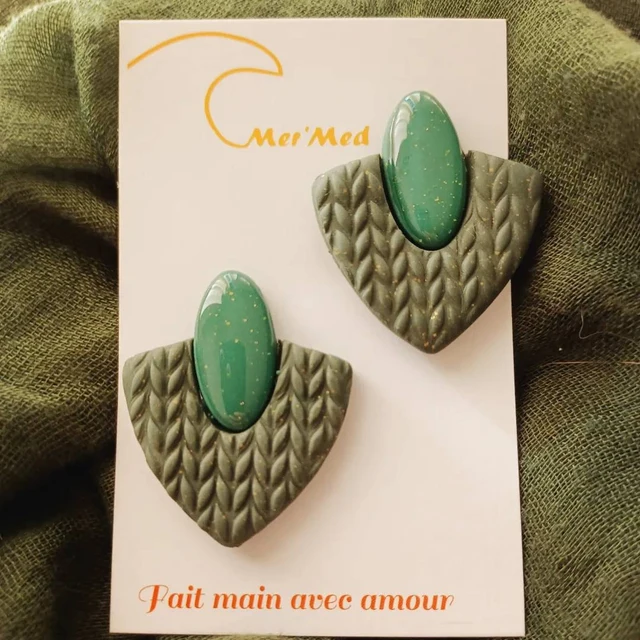
Great! I am delighted with this piece and the rendering… ✨️
A well-chosen example does more than decorate an explanation; it turns an abstract idea into a situation that readers can examine, compare, and remember. In education, examples are most effective when they match the learner’s level, isolate one principle, and show how that principle works under realistic conditions. A clear test case in a science lesson, for instance, can reveal whether a hypothesis explains an observed result or merely appears plausible in theory. Examples should also include enough context to make their limits visible, since a model that works in one setting may fail when its assumptions change. Comparing a successful case with a carefully selected counterexample helps readers distinguish the central rule from accidental details. This approach supports critical thinking by showing not only what an idea means, but also how it can be applied, evaluated, and refined.